All audiobooks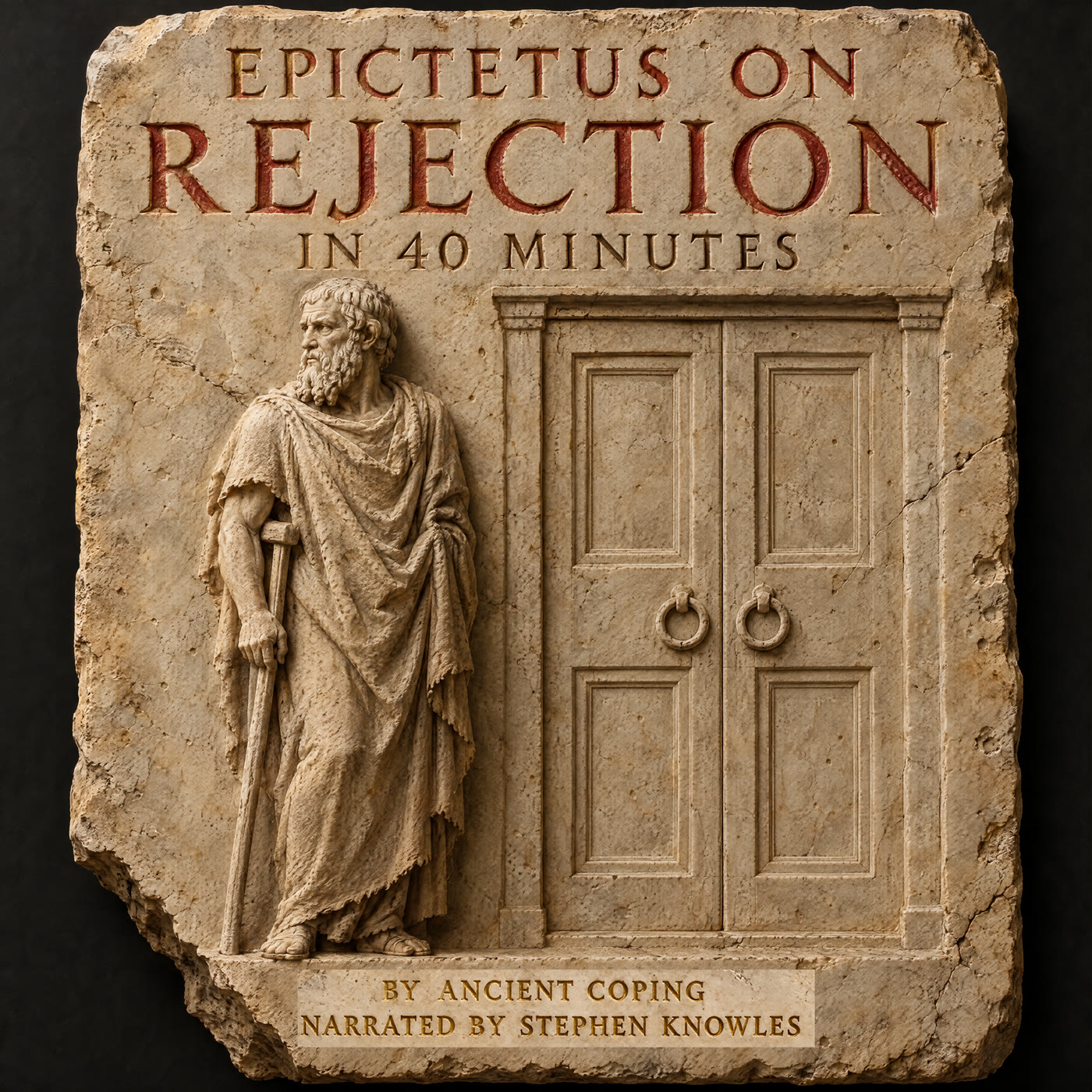
Setbacks / 39m
Epictetus on Rejection in 40 Minutes
Stoic Lessons for Handling No, Rejection, Failure, and the Fear of Not Being Chosen
Free sample: the trailer
0:00
Setbacks / 39m
Stoic Lessons for Handling No, Rejection, Failure, and the Fear of Not Being Chosen
What if rejection hurts less because of the no, and more because of what you decide the no means about you?
Epictetus on Rejection in 40 Minutes turns some of the Stoic teacher’s most practical ideas into a concise guide for romantic rejection, being passed over, exclusion, criticism, and the fear of asking.
Epictetus knew what it meant to have power withheld. Born into slavery, later exiled from Rome, he built his philosophy around a distinction that became central to Stoicism: some things are yours, and some are not. Other people’s approval, affection, invitations, and decisions belong to them. Your choices, effort, conduct, and willingness to ask belong to you.
In about 40 minutes, you’ll discover:
The goal is not to stop caring about outcomes.
It is to stop handing your self-worth to people who were never able to give it to you in the first place.
We'll email you the first chapter of Epictetus on Rejection in 40 Minutes after you confirm your address.
Rome, in the reign of the emperor Nero. In a grand house near the palace lives a man named Epaphroditus, one of the emperor's secretaries, rich and powerful and feared. Among the many human beings he owns is a boy from a distant province in the east. The boy walks with a limp. One ancient story says his master crippled him, twisting his leg for sport while the boy said calmly, you are going to break it, and then, when it snapped, did I not tell you? We cannot be sure the story is true. We do know what the boy was called. Epictetus. It is hardly a name at all. In Greek it means acquired. Think about what that life was. He could be sold, beaten, or sent away at a word. He had no family that the law recognized, no property, no vote, no standing. Every door in Rome that mattered was closed to him before he was old enough to knock. He lived at the bottom of a society that ranked everyone, and he was reminded of his place every day. And this man became the teacher that emperors read. He was allowed to study philosophy, he was eventually freed, and he opened a school. When a later emperor threw the philosophers out of Rome, he was rejected again, by the city itself, and he simply crossed the sea to a town in Greece and started over. He never wrote a word. A student took notes. Those notes reached a young Marcus Aurelius and shaped him for life.
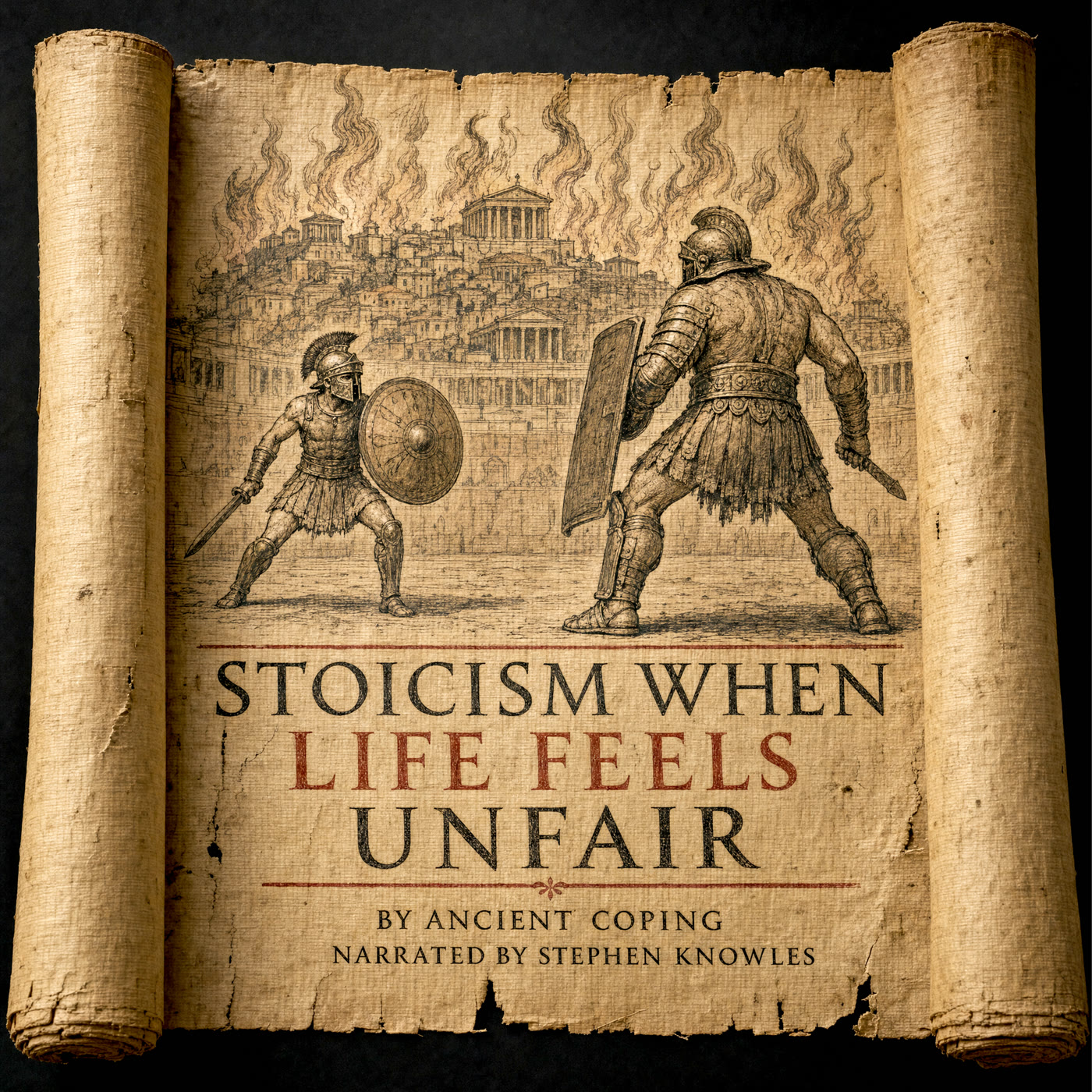
A Practical Guide to Unfairness, Bitterness, Envy, Acceptance, and Knowing When to Fight Back
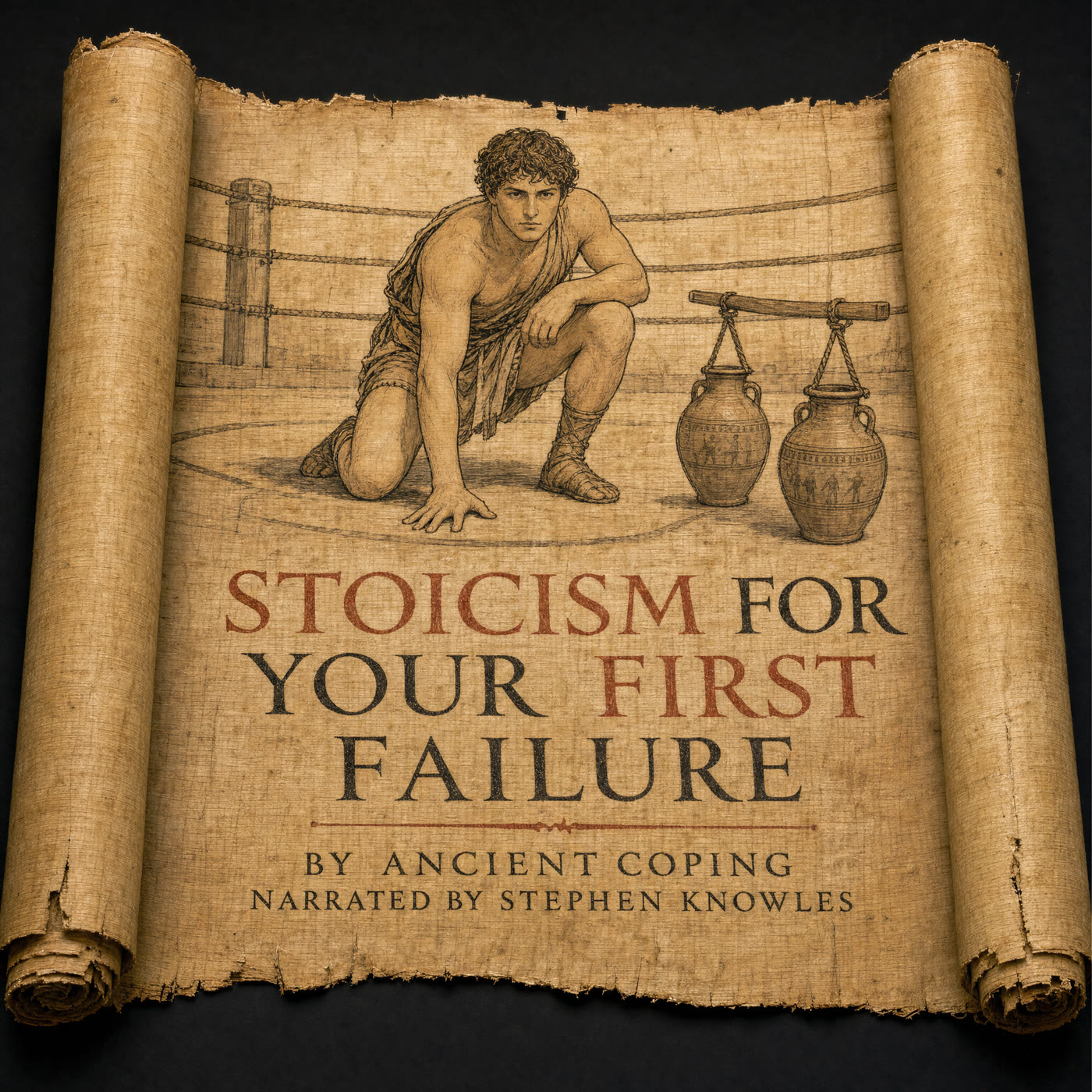
How to Stop Letting One Failure Define You and Become Stronger After a Setback
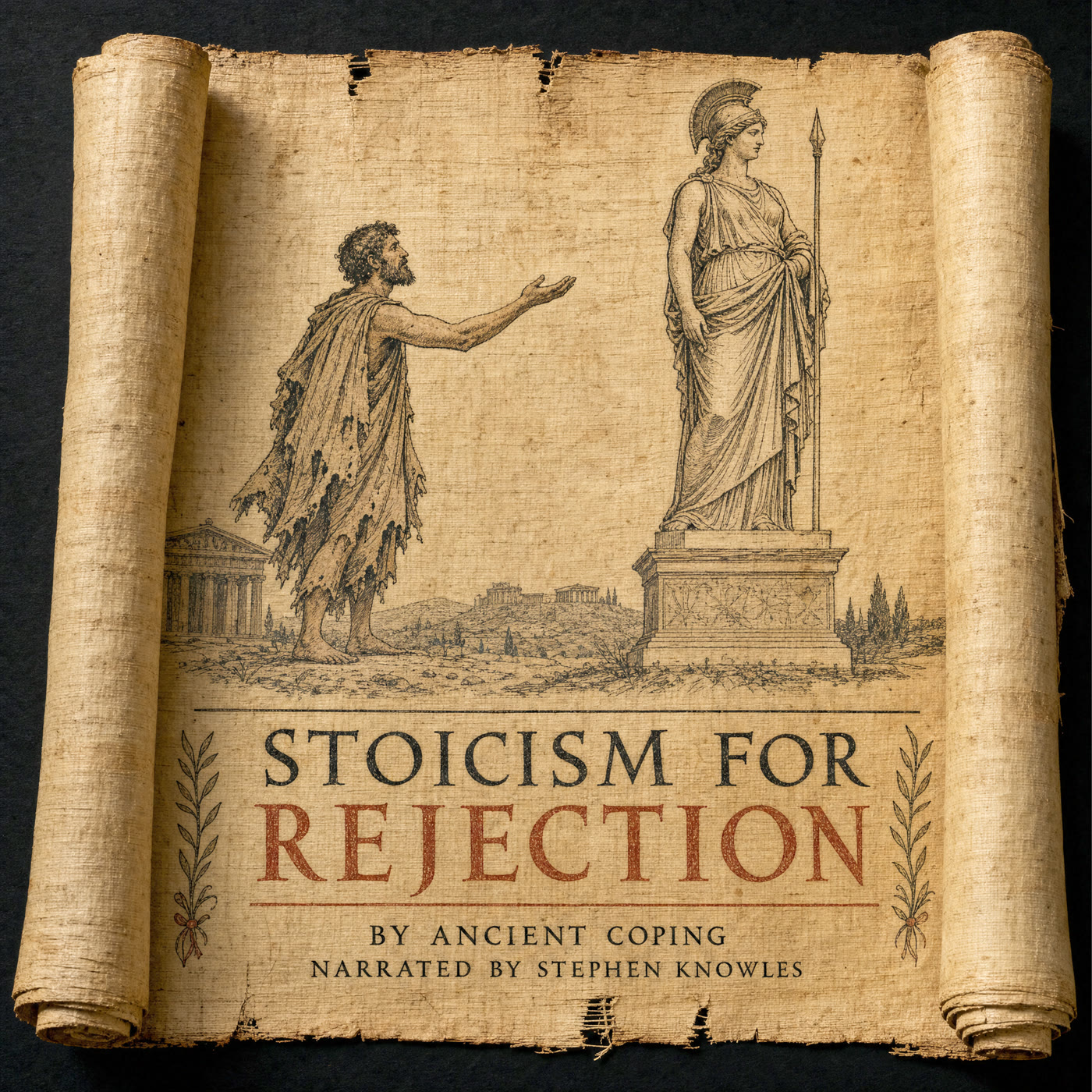
A Practical Guide to Handling No, Letting Go of Approval, and Trying Again

A Practical Guide to Hardship, Meaning, Resentment, and the Strength to Begin Again