All audiobooks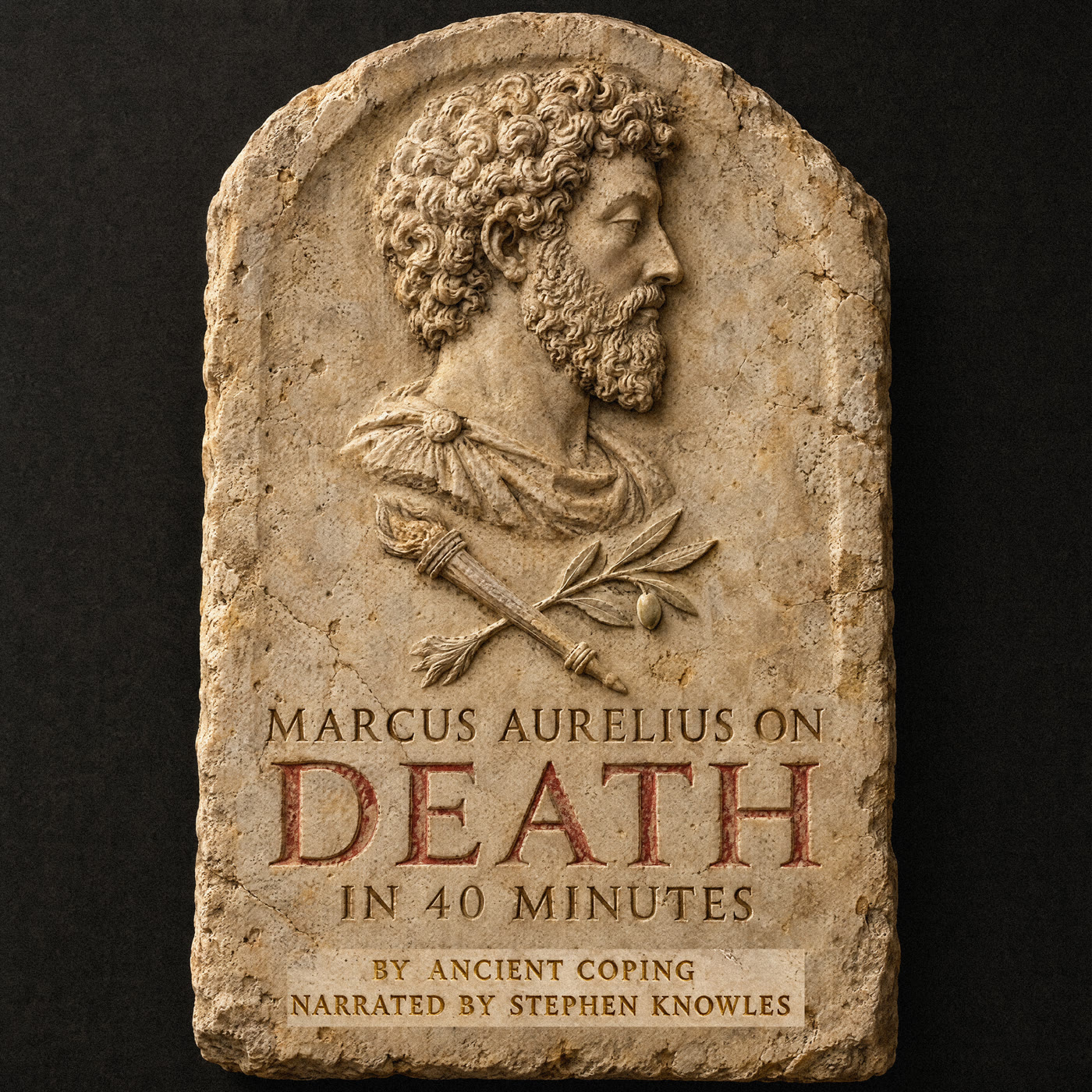
Loss / 40m
Marcus Aurelius on Death in 40 Minutes
Stoic Lessons on Mortality, Time, Grief, and Living Before It Is Too Late
Free sample: the trailer
0:00
Loss / 40m
Stoic Lessons on Mortality, Time, Grief, and Living Before It Is Too Late
What changes when you stop treating death as a distant possibility and begin using it as a reason to live properly now?
Marcus Aurelius spent decades thinking about mortality. Not because he was obsessed with dying, but because he believed that avoiding death quietly distorts the way we live.
Marcus Aurelius on Death in 40 Minutes distills some of the most powerful ideas from the Meditations into a practical guide to mortality, grief, time, fear, and the question of what makes a life complete.
Marcus lived surrounded by loss, children, friends, family, war, and plague, and still insisted that philosophy should never turn a person cold. Stoicism, in his view, was not about feeling nothing. It was about keeping fear of death from ruling your life in secret.
In about 40 minutes, you’ll discover:
This is not a book about becoming comfortable with death for its own sake.
It is about becoming less willing to waste the life that is still here.
We'll email you the first chapter of Marcus Aurelius on Death in 40 Minutes after you confirm your address.
The seventeenth of March, in the year one hundred and eighty. A military camp on the northern frontier, where the Roman army has been fighting for most of a decade. In the commander's quarters, a man of fifty-eight is dying. He has been ill for about a week, and he has stopped eating. He is Marcus Aurelius, and he has ruled the Roman world for nineteen years. The ancient accounts of his last days differ, as such accounts do. One says that when his friends stood around the bed in tears, he asked them why they were weeping for him, and not thinking instead of the plague, and of the death that comes to everyone. Another says that when the officer of the watch came for the night's password, the emperor told him, go to the rising sun. I am already setting. We cannot be certain of the words. We can be certain of something else, because we have it in his own hand. He had been preparing for that day for decades. In the private notebook we call the Meditations, there is hardly a page that does not touch on death. He comes at it from every side. As a fact of nature. As a measure of what matters. As a reason to stop wasting the afternoon. That can sound grim. It was the reverse. Marcus believed that a man who has not come to terms with his own ending cannot live properly, because he will either be running from it or pretending he has unlimited time. He thought about death in order to get on with living.
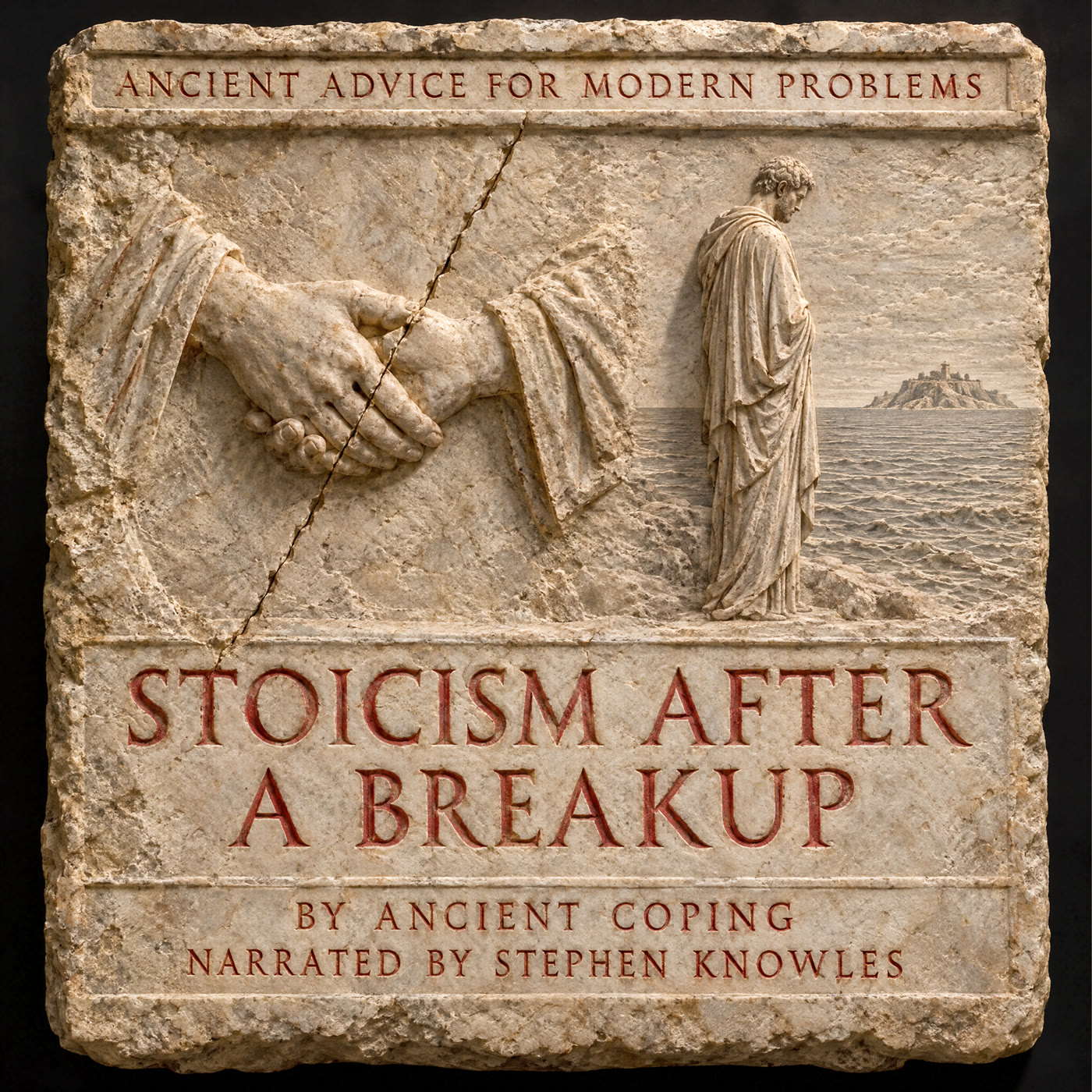
A Stoic Guide to Letting Go, Breaking the Attachment Cycle, and Rebuilding Your Life
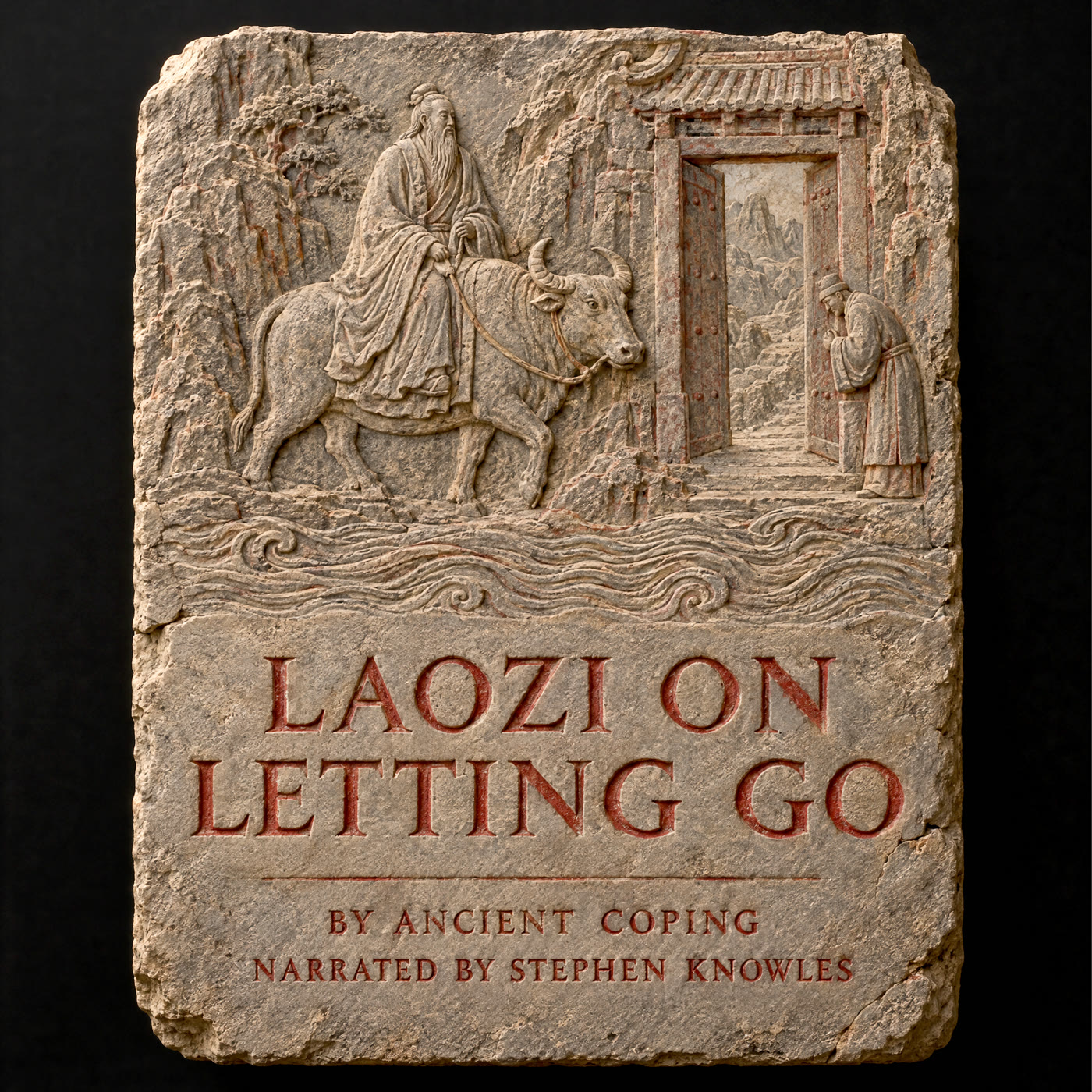
A Practical Taoist Guide to Releasing Control and Moving with Life Instead of Against It
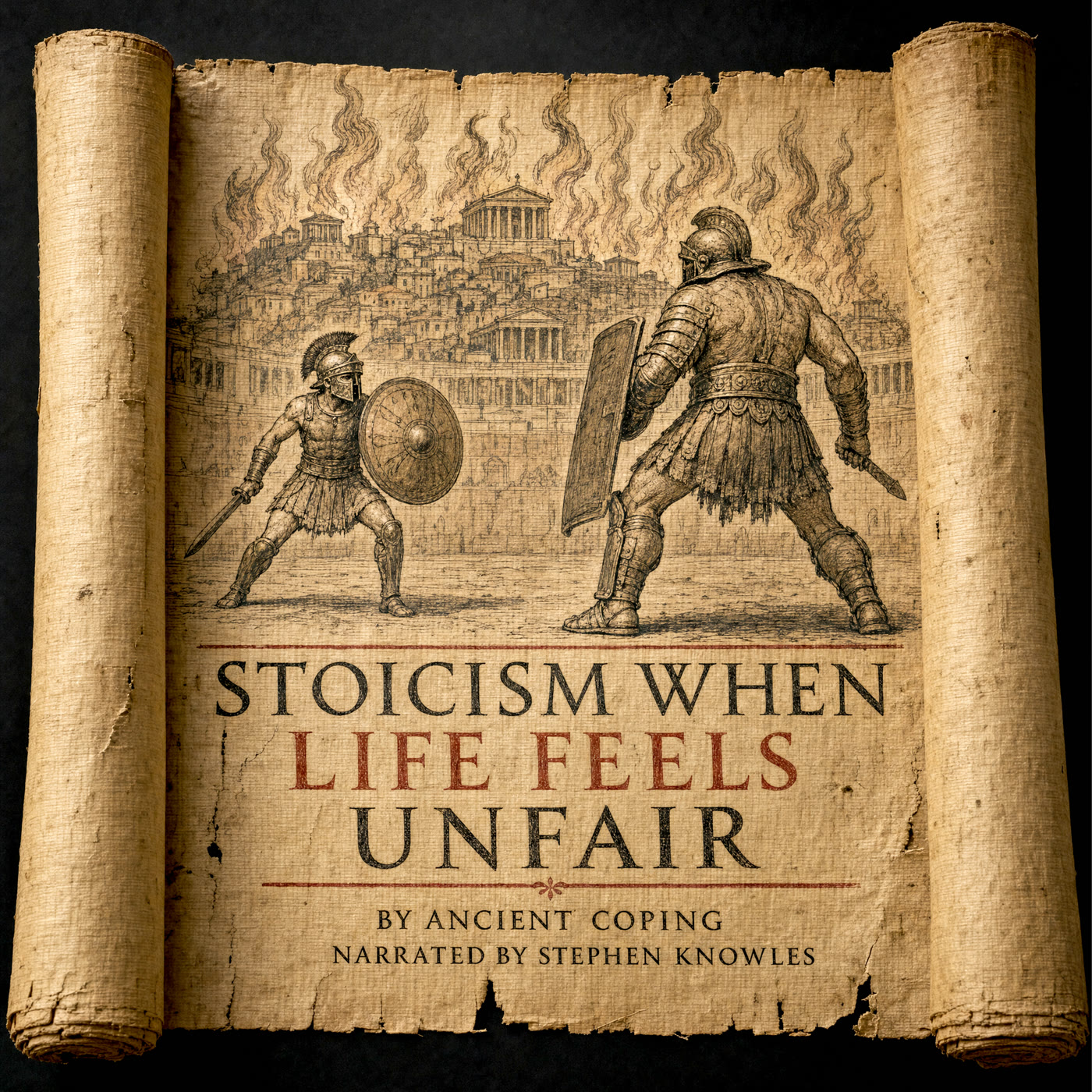
A Practical Guide to Unfairness, Bitterness, Envy, Acceptance, and Knowing When to Fight Back
How to Stop Letting One Failure Define You and Become Stronger After a Setback